
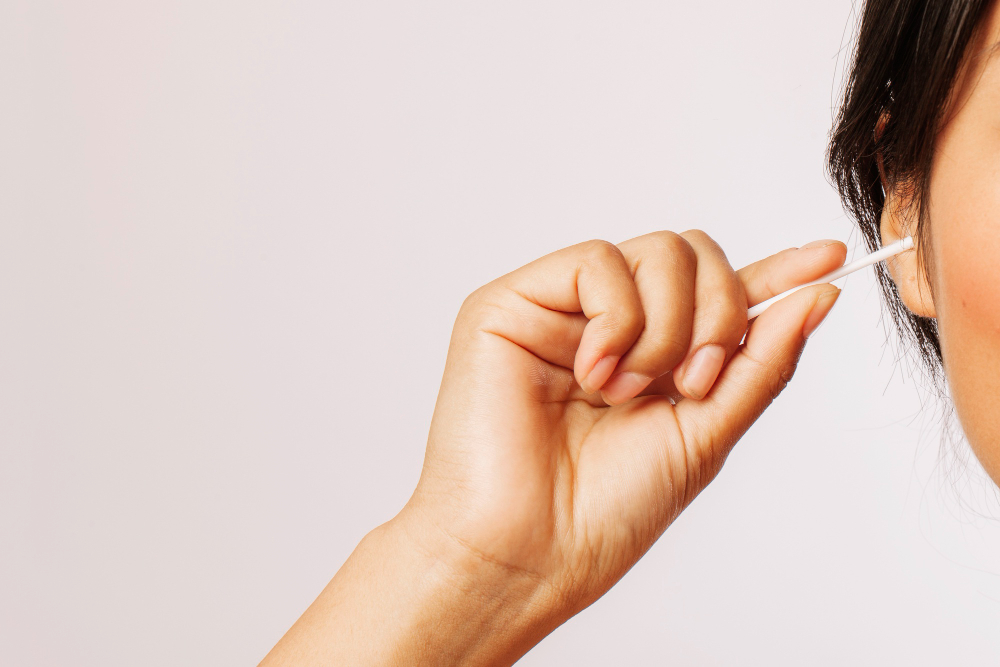
Earwax is a naturally produced substance which protects the ears by keeping out dust, dirt, and harmful bacteria. However, when earwax starts to build up, this can sometimes cause pain and even affect hearing. Earwax can become excessive due to some common factors such as, overproduction, genetics and even the environment. Using incorrect ear cleaning methods such as cotton buds and hairpins can push the wax deeper into the ear canal which can then lead to blockages.
People who wear hearing aids or regularly use earphones are also at risk of earwax build up due to the devices stopping the earwax from falling out of the ear naturally. Other natural factors like having narrow ear canals could also affect earwax to naturally fall out. Some people who suffer from skin conditions such as eczema or ear infections can also experience excessive wax build up due to the irritation of the skin.
There are many signs which could mean you have wax built up inside your ears. These can include:
- Hearing sounding muffled
- A feeling of your ears being blocked
- Tinnitus, which is a ringing sound in your ears
- Itching inside the ear
- Dizziness
- Loss of balance
There a few solutions to manage earwax buildup at home or professionally. To manage a buildup of earwax at home, you can use ear drops which can be bought over the counter from a pharmacy and also medical grade olive oil to soften the wax which will help it fall out naturally.
Other professional ways of removing earwax can be done by a process called Ear irrigation. This involves flushing out the excess wax using a water and saline solution. Another safe and effective way to relieve blocked ears is by a method is microsuction, which requires the use of a suction device to remove the excessive wax.